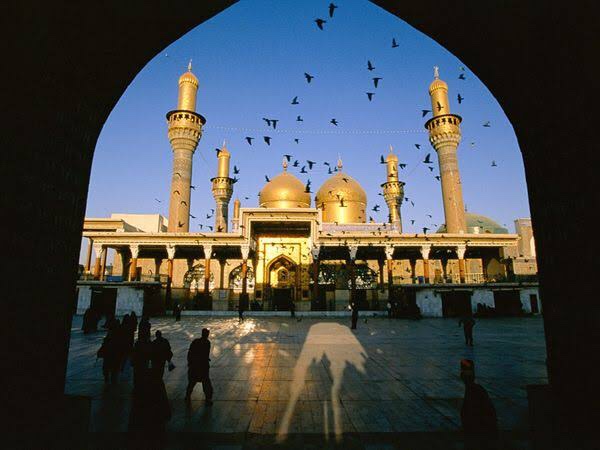
Iraq lies northwest of South Asia about 3,700 km away. It is bordered by Saudi Arabia in the south, Turkey in the north, Jordan and Syria in the west and Iran in the east. The capital of Iraq is Baghdad.
The nominal G.D.P. of Iraq in 2018 was $250 Billion. The military expenditure of Iraq is expected to grow as high as $5700 million. According to sources the literacy rate for men in Iraq is approximately 86% and 67% for females.
Civilisations
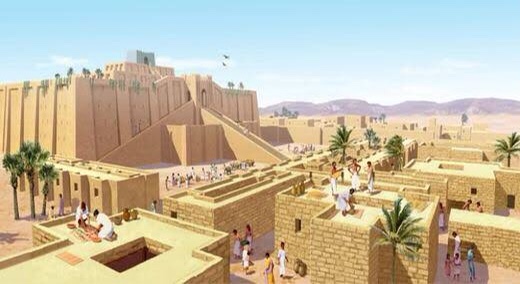
Iraq saw the birth of the oldest civilisation in the world but decades of war have made the cultural heritage ruins.
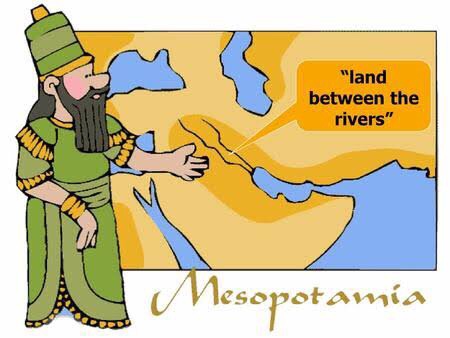
The Mesopotamian Civilisation was one of the first civilisations in the world that emerged by the Tigris Euphrates around 3000 years ago in Iraq. The Arkaddians ruled the north and The Sumerians ruled the south as mentioned since the commencement of recorded history which was started by Sumerians in 2500 B.C..
Colonialism
Before the British colonised Iraq and defeated the Ottoman Empire, it was captured by the Romans, the Greeks and the Persian Empires. In 535 B.C. Persian ruler Cyrus occupied Mesopotamian civilisation and Iraq remained under the rule of the Achaemenid empire for 200 years.
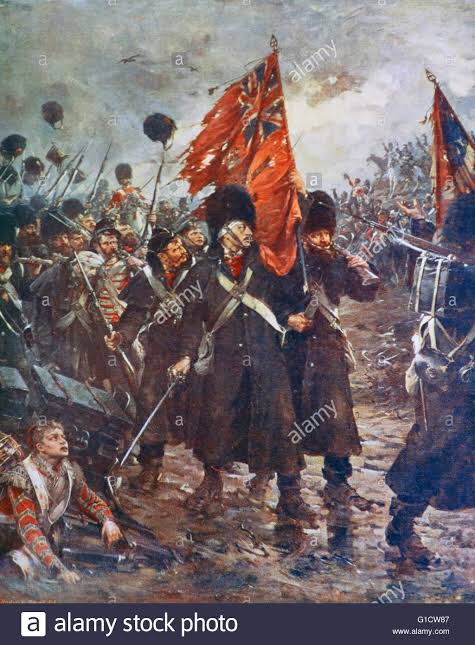
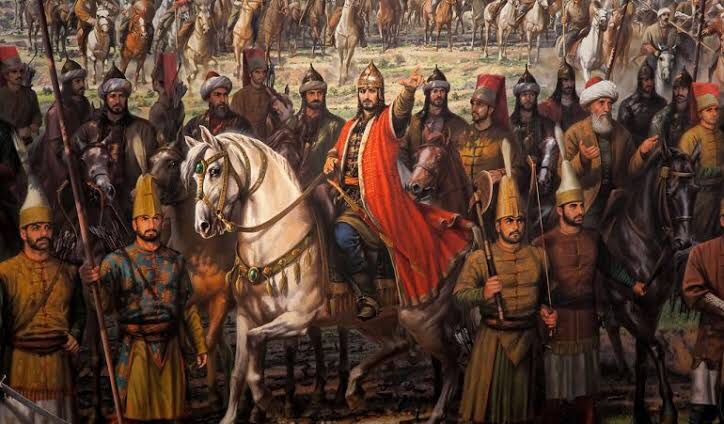
In 1453, Mehmed II the Conqueror gained control over the majestic city of Constantinople and made it the capital of the Ottoman Empire. In 1912 the empire lost dominance over all its European territories in the Gaza War, but still entered World War 1 against the allied nations.
The Central Powers along with Ottoman Empire lost in October of 1918 and its territory was divided between the French, British, Russia and Greece.
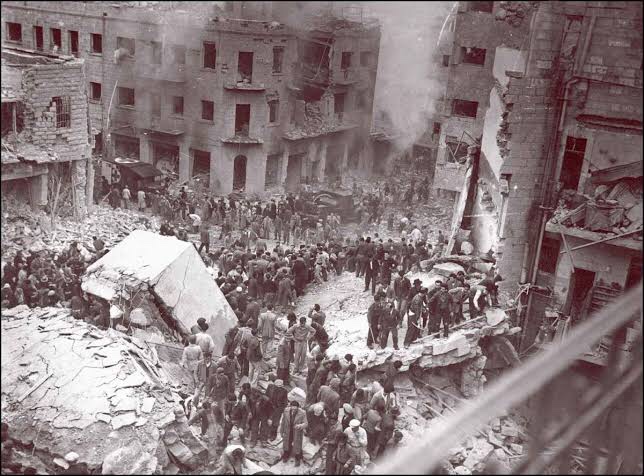
The dynamic Ottoman Empire ended in 1922 and one year later in 1923 Turkey became a democracy. With Iraq becoming a member of the League of Nations, it finally became free from the British after 17 years of colonialism on October 3, 1932.
Dictatorship
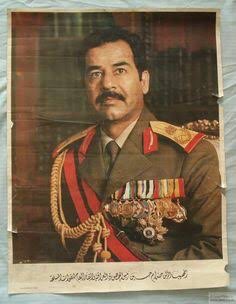
Saddam Hussein became the fifth President of Iraq from 16 July 1979 until 9 April 2003. In his twenty four year of rule he conducted several elections but all them are highly debatable, especially the 16 October 2002 election in which Saddam Hussein won 100% votes out of 11,445,638 eligible Iraqis. More than the 99.96% received in 1995.
If you look at all the incidents till now they are very similar to what the other counties had gone through in their transition period. So what made Iraq – the country of heritage, the county of ruins?
The Wars
“All wars are a costly affair and there is no good conclusion ever drawn from it”. The three major wars – the Iraq-Iran war, the Gulf War and the Iraq war, drained Iraq’s manpower as well as the economy and the collateral damage is horrifying.
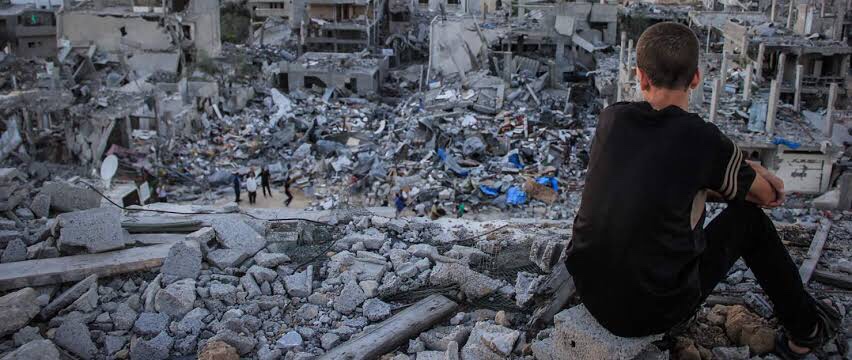
Iraq-Iran War – The Iraq-Iran war officially began on Sept. 22, 1980 in western Iran with Iraqi land and air invasion. In 1985 the war became very aggressive with both sides attacking each other capital. The U.S. and some European nations were forced to get involved. A cease-fire line was agreed upon in 1988. Estimated lives lost range between 900,000 – 1.7 million.
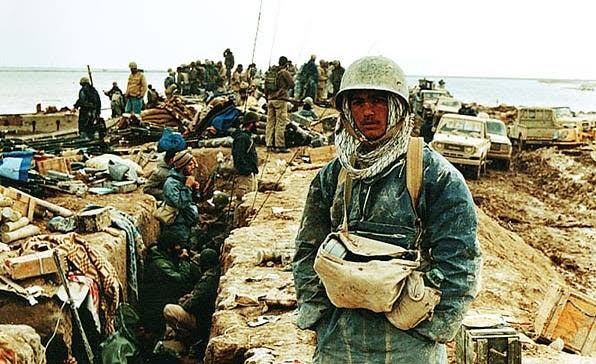
Gulf war – The Gulf war was started by Saddam Hussein on August 2, 1990 to capture Kuwait in an desperate attempt to control the oil supply of the Middle East and the World. If he would have succeeded then Saddam Hussain today would have controlled 20% of the world’s oil resource.
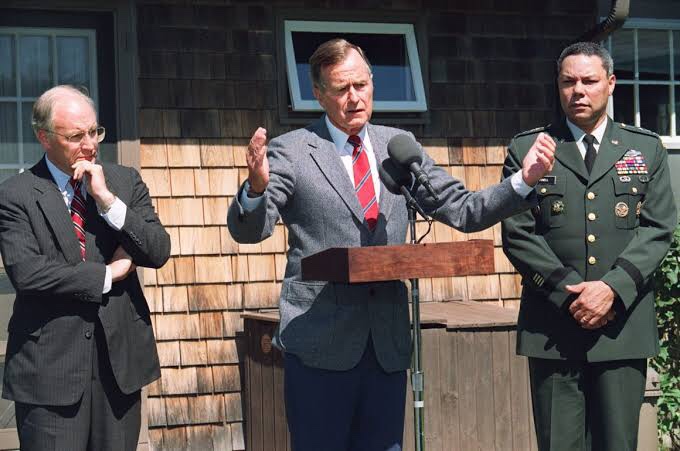
Fearing this the U.S.A. under the presidency of George W. Bush carried out two strategic and military operations. Operation Desert Shield (August 1990 – January 1991) a 34 nation coalition at the U.N. and Operation Desert Storm (January 1991 – February 28, 1991) which led to mobilisation of 500000 troops to Iraq and a five-week bombing campaign of some 2,000 sorties a day.
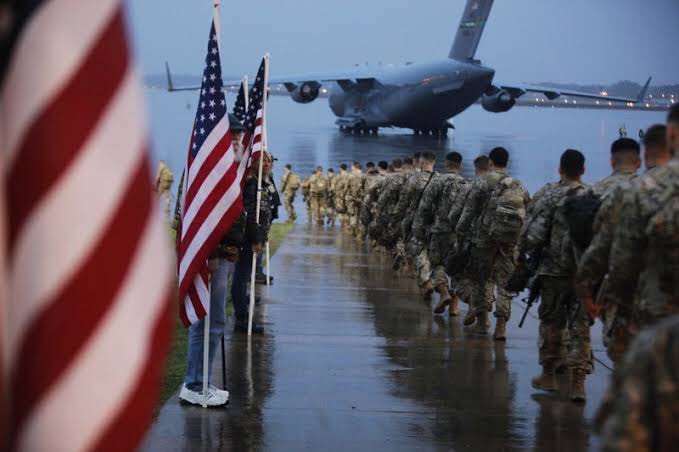
On February 28, President Bush declared a ceasefire, and the Gulf War was over. Saddam Hussain was made to govern Iraq though he had to allow for search for Weapons of Mass Destructions.
The Iraq War – Out of the three wars, the Iraq war proved to be the most destructive for the people, the economy and Iraq as a country. The Iraq war saw the end of Saddam Hussain. The rise and fall of al-Qaeda in Iraq(2005-2008), Civil war (2006-2008) and the formation of Islamic State of Iraq, successor to al-Qaeda.
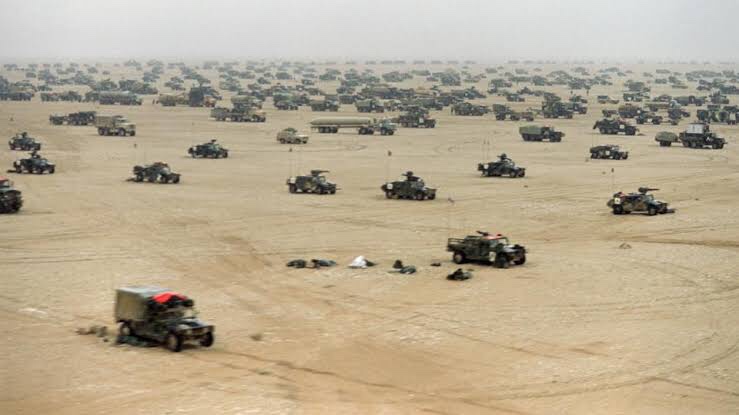
The U.S. armed forces invaded Iraq in 2003 to overthrow Saddam Hussain and confiscate Weapons of Mass Destruction (possession of which is highly debatable) and left in 2011. The U.S. armed forces again returned to Iraq in 2014 to combat ISIL or ISIS insurgents and left in 2017.

Estimated 7 million to 10 million Iraqis have lost their lives in constant skirmishes and full-scale wars with the collateral damage spread across hundreds of kilometres.
Political Scenario in recent years
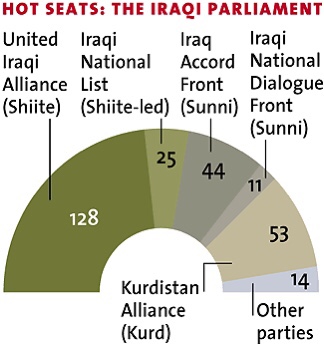
Parliamentary elections were held in Iraq on 12 May 2018 and in October 2018, Adil Abdul-Mahdi was elected as Prime Minister five months after the election. In spite of the fact that there were cases of far and wide misrepresentation connected to the electronic checking of votes.
Parliamentary Elections in Iraq are scheduled for 10 October, 2021 and a chance for all Iraqis to change their fate for good.
What must be done in order to levitate Iraq from terrorism, poverty and politics?
I’ll speak the truth. We can not recover what has been lost. But we can not carry our past in the present, because it will have a negative impact on our future as it is visible from the past. It’s time to rebuild. It’s time to achieve the formal glory. It’s time to prosper.
The Iraqis need a strong, dynamic government that will work towards elevating them from poverty and lead the formation of a new Iraq.
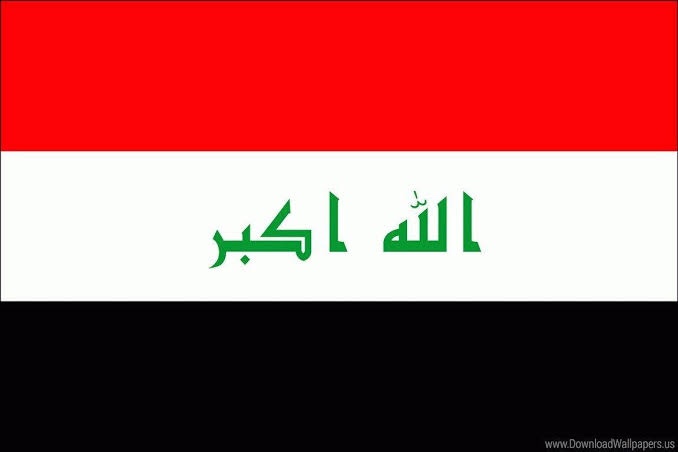
In the words of Abraham Lincoln, An Iraq of the people, by the people and for the people.
 Beyond The Lines